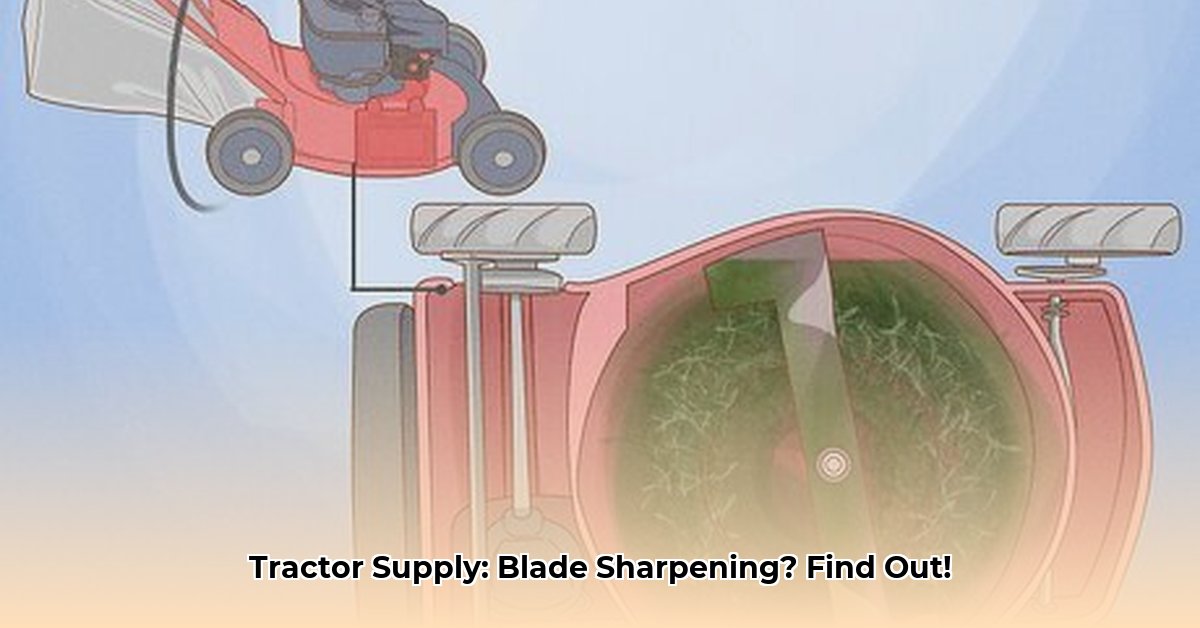
Does Tractor Supply Sharpen Lawn Mower Blades?
Let's be honest: a perfectly manicured lawn starts with perfectly sharp mower blades. But does Tractor Supply offer blade sharpening services? While you'll likely find sharpening tools at Tractor Supply, they typically don't provide blade sharpening as a service. This leaves you with two options: DIY or professional sharpening. But before we dive into those options, let's explore why sharp blades are so crucial. For more on mower types, check out this helpful resource: tractor mowers.
The Unsung Hero: Why Sharp Blades Matter
Dull lawn mower blades tear grass instead of cutting it cleanly. This leads to ragged edges, increased stress on your lawn, and higher susceptibility to disease and pests. It's essentially giving your grass millions of tiny paper cuts! A sharp blade, however, creates a clean, precise cut, promoting healthy growth and a thicker, greener lawn. This means less reliance on fertilizers and water – saving you money and reducing your environmental footprint.
Beyond a healthier lawn, a sharp blade also improves your mower's efficiency. A dull blade forces your mower to work harder, consuming more fuel and increasing emissions. It's like driving uphill with a sputtering engine—exhausting and inefficient! A sharp blade translates into smoother operation, lower fuel costs, and reduced emissions. Plus, a well-maintained blade lasts longer, reducing waste in the long run.
Sharpening Your Blades: DIY or Professional?
Now, let's tackle the sharpening options.
DIY Blade Sharpening:
- Pros: Cost-effective. Convenient if you have the tools and patience. A satisfying DIY project that builds home maintenance skills.
- Cons: Requires specialized tools (sharpening file, jig, or electric sharpener). Improper sharpening can damage the blade. Demands time and skill.
Professional Blade Sharpening:
- Pros: Perfect sharpness guaranteed. Saves time and effort. Minimizes risk of blade damage.
- Cons: More expensive than DIY. Requires finding a reliable local service. Adds a small carbon footprint from transportation.
Making the Right Choice: DIY or Pro?
The best option depends on your skills, tools, and available time. If you're handy, patient, and have the necessary tools, DIY sharpening can be rewarding. Numerous online resources (videos, articles, step-by-step guides) can guide you.
However, if time is limited, you lack tools, or prefer expert precision, professional sharpening is the more efficient choice.
Beyond Sharpening: Sustainable Lawn Care Practices
Sharp blades are just one part of sustainable lawn care. Consider these additional practices:
- Appropriate Grass Height: Don't cut your grass too short! Taller grass shades the soil, reducing water needs.
- Mulching: Leave grass clippings on the lawn – they act as a natural fertilizer.
- Smart Watering: Water deeply but less often to encourage strong roots.
Remember, sustainable landscaping reduces your environmental impact while fostering a healthy and vibrant lawn. A sharp blade significantly contributes to this goal.
Finding a Professional Sharpening Service
Since Tractor Supply typically doesn't offer blade sharpening, where do you turn? Search online for "small engine repair shops near me" or "lawn mower blade sharpening services." Word-of-mouth recommendations from neighbors or friends are also invaluable, supporting local businesses and reducing transportation-related emissions.
Choosing the Most Sustainable Lawn Mower Blade Sharpening Method
Key Takeaways:
- Sharp blades are more fuel-efficient and reduce emissions.
- Regular sharpening extends blade lifespan, reducing waste.
- In-situ versus removal sharpening depends on your experience and tools. Safety is paramount.
- Proper blade maintenance promotes a healthier lawn and reduces environmental impact.
Let's delve deeper into sustainable sharpening methods.
Sharpening Methods: In-Situ vs. Removal
Two primary methods exist: in-situ (sharpening blades attached to the mower) and removal sharpening.
In-situ Sharpening:
- Pros: Quick and convenient. Ideal for minor touch-ups. Requires minimal tools.
- Cons: Less precise. Risk of uneven sharpening and imbalance.
Blade Removal Sharpening:
- Pros: More accurate and consistent sharpening. Allows for thorough blade inspection. Ensures better balance.
- Cons: More time-consuming. Requires tools like a vise and sharpening stones or a grinder.
Choosing the Right Method
The ideal method aligns with your skill level and tool availability:
- Beginner: In-situ sharpening is easier to learn.
- Experienced: Blade removal offers superior precision.
- Limited Tools: In-situ sharpening needs few tools.
- Well-Equipped: Blade removal requires more specialized equipment.
Always disconnect the mower's power source before working on the blades. Wear safety glasses and gloves.
The Sustainability Factor
Choosing a sustainable method involves considering the entire life cycle. Regular sharpening extends blade life, reducing waste and resource consumption. Sharp blades also increase efficiency, lowering fuel use and emissions. This minimizes your environmental footprint. Think of it: a dull blade wastes energy just like a dull knife wastes effort in the kitchen!
Maintaining Your Blades: A Sustainable Habit
Here's a simple, sustainable maintenance plan:
- Regular Inspection: Check blades for damage and dullness (every 10-15 hours of mowing use).
- Thorough Cleaning: Remove grass clippings before sharpening.
- Careful Sharpening: Utilize your chosen method, prioritizing safety and accuracy.
- Precise Balancing: After sharpening, ensure even blade balance to prevent damage.
By following these steps, you contribute to a greener future, one sharp blade at a time.